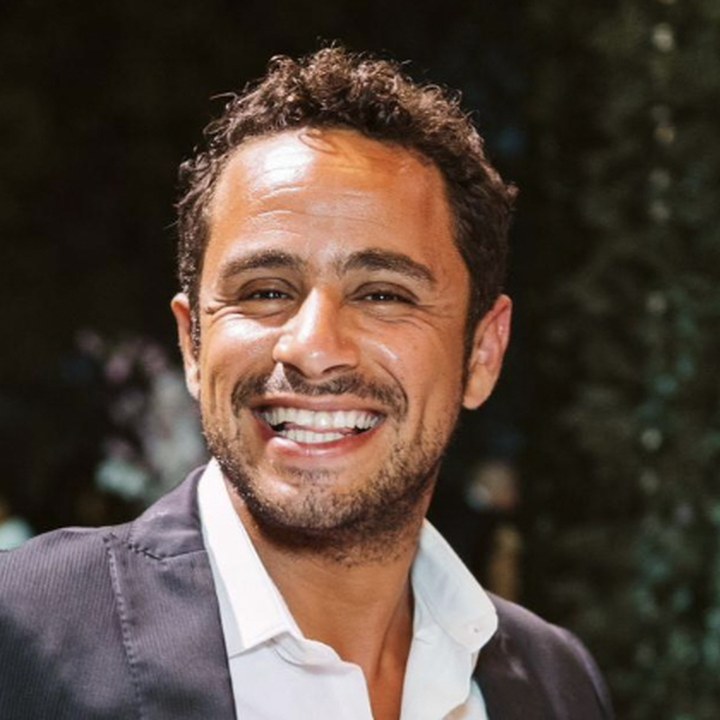
Co-founder of People of Data, running technology, education and the community programme — the meetup engine, the Skilllz curriculum and the platform the whole ecosystem is taught on.
Youssef Kamal is the Co-Founder of People of Data, and the person responsible for
the half of it that has to actually work — the technology, the education and the machinery
that turns a community into something a school, a university or a company can buy, run and
repeat. If Magdi argues the case for why the room should exist, Youssef is the reason the room
has a curriculum, a platform and a second date.
He co-founded People of Data in 2023 on a fifty-fifty basis, and the division of labour has
been stable ever since: technology, sales and education sit with him. In practice that means he
owns the product people experience — what gets taught, in what order, on what platform, by
whom, and whether the person in the seat can do something on Monday that they could not do on
Friday.
“A community that can’t teach anything is just a mailing
list.”
The engine: two rooms a month
People of Data’s core product is deliberately unglamorous — two meetups a month,
free, open, and run to a standard. Youssef leads that programme, and the discipline it demands
is closer to operations than to events: a speaker who actually built the thing they are talking
about, a room that is worth someone’s Tuesday evening, and a follow-through that turns an
attendee into a member, a member into a mentor, and a mentor into a partner.
Forty-plus meetups later, that engine is what everything else runs on. It is where the student
programme found its first schools, where GenAI Club found its first members, and where the
corporate work found its first clients. The long-term goal he holds is a chapter in every
country, every university and every school — the same format, localised, run by people the
community trained.
Technology, and the education stack
Youssef serves as technology lead across the group’s ventures, from a digital
transformation programme for a regional travel operator to a fintech lab — the kind of
work where the interesting part is never the demo but the integration, the data and the handover
to whoever has to keep it running.
Inside People of Data that experience shows up as the education stack: the Skilllz curriculum
and the skills matrix behind it, the learning platform, and the design of programmes like AI For
Students, where fifty high-school students at Kaumeya Language School were split into ten teams,
run like startups for four Saturdays, and ended with ten working AI solutions, one now in daily
use inside the school and five students placed into internships.
Youssef on building the community
What he is optimising for
The metric Youssef defends internally is not attendance. It is whether someone left with a
skill they can be paid for — which is why the student programme ends in a pitch to real
investors rather than a certificate, why the university hackathons are run on real company
problems under the supervision of both faculty and practitioners, and why the corporate work
insists on the client’s own data instead of a sample set.
It is a slower way to grow a community and a harder one to market. It is also the reason the
numbers People of Data quotes — solutions built, students hired, programmes repeated
— are things that happened to specific people rather than impressions on a slide.
Beyond People of Data
What else he builds.
Community
The chapter model
A standing goal of a People of Data chapter in every country, university and school — same format, local operators, trained by the community.
Education
Skilllz
The curriculum, the skills matrix and the learning platform behind every programme People of Data delivers, from high schools to enterprise teams.
Technology
Venture tech lead
Technical lead across the group’s ventures, including a digital transformation programme for a regional travel operator and a fintech lab.
On the desk now
Currently.
The meetup engineTwo rooms a month, and the operating standard that keeps them worth attending — 40+ delivered so far.
AI For StudentsDesigning and running the school and university programme now live at Dar El-Tarbia, MSA University and ESLSCA.
SkilllzBuilding out the curriculum and platform so the same programme can be delivered by people the community trained.
ChaptersTaking the format beyond Cairo — the first step toward a chapter in every country, university and school.
AI For Everyone, Everywhere! AI For Everyone, Everywhere! AI For Everyone, Everywhere! AI For Everyone, Everywhere!
AI For Everyone, Everywhere!
Not a slogan. A test we hold every programme to — if it only reaches Cairo,
or only reaches people who already had a head start, we haven't done the work.